

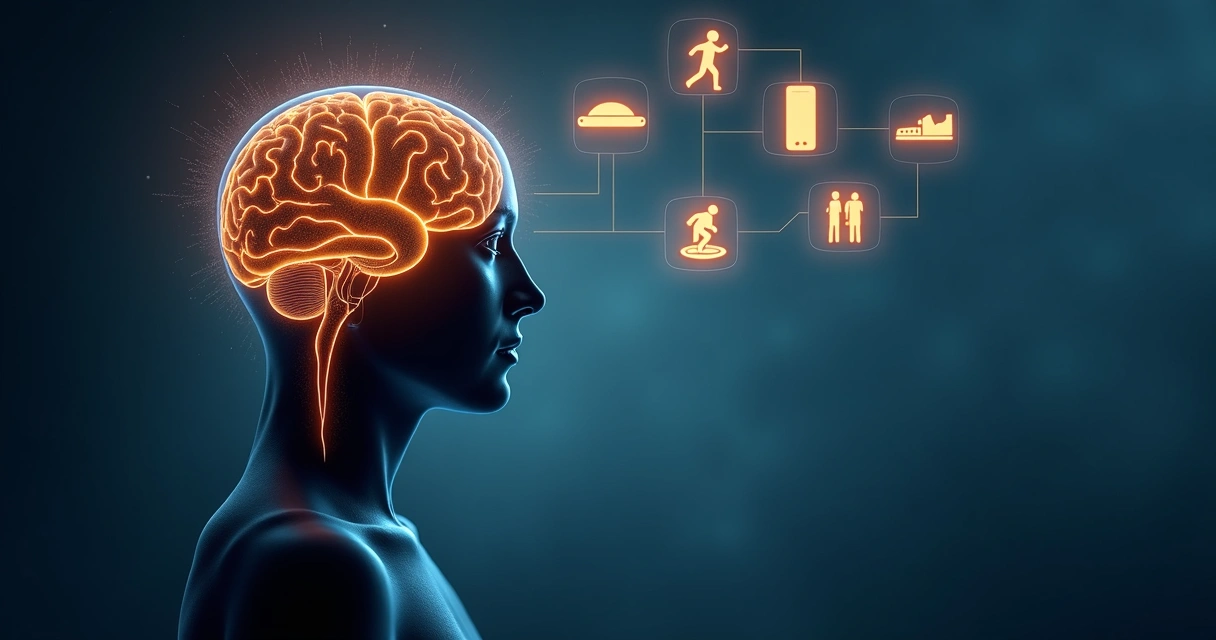
We all like to think of ourselves as rational beings, carefully weighing pros and cons before making decisions. Yet, the reality is strikingly different. Our emotional systems are always present, shaping our daily choices—even when we imagine we are thinking objectively. Understanding how emotions drive actions can help us manage, not suppress, this influence. Let’s walk through how emotional systems work in our choices, using scientific observations, real-world examples, and practical suggestions for greater awareness.
Why emotions are always in play
Emotions are not accessories attached to experience. Rather, they are signals embedded in our biology and psychology, shaping attention, memory, and behavior. In our researches, we see that people experience emotions almost all their waking moments, with positive emotions appearing much more often than negative ones, according to a study in the NCBI PMC repository.
Here’s a common scene: before leaving for work, we decide on breakfast. One day, we skip it in favor of a rushed commute. Another day, we linger and make an omelet. Behind this, emotional triggers such as stress or anticipation are at work.
Strong feelings rarely stay quiet—they guide daily routines, often without our notice.
But what exactly defines an ‘emotional system’ in these decisions? Let’s clarify.
What are emotional systems?
When we speak of emotional systems, we mean interconnected processes in the brain and body that include:
- Automatic physiological responses (like heart rate changes)
- Conscious and unconscious feelings (such as excitement or worry)
- Behavioral urges (like freezing in surprise or acting quickly when angry)
These systems evolved to help humans survive. Now, they still guide us—sometimes wisely, sometimes unwisely. A positive mood, for example, can make people more likely to see situations as favorable, sometimes leading to overconfidence. Our emotional state at any given moment can change our sense of risk and reward without any conscious calculation. Studies from Rice University research show that a good mood can lead to riskier choices, simply by shifting focus to possible positive outcomes.
Emotions in daily action: Small and big choices
It’s easy to see emotions at work in big decisions—like accepting a job or ending a relationship. But the impact is just as present in minor, even mundane, events:
- Choosing clothes: Anxiety might cause us to select something safe, while excitement can make us pick bolder options.
- Responding to emails: Irritation tends to prompt shorter, less patient replies, while calm leads to more thoughtful responses.
- Eating habits: Stressed people often reach for comfort food, while relaxed people might choose healthier options.
According to a meta-analytic review indexed on PubMed, specific emotions—like anger, fear, or happiness—create different patterns in judgment, shaping not only our choices but also our actions afterward.
How do emotions shape behavior?
The path from emotion to decision isn’t straight. In our experience, we’ve observed that emotional states change motivation, perspective, and self-control. This usually happens without conscious awareness. Here’s what often occurs:
- Trigger: An internal or external event sparks an emotion (a comment from a friend, a memory, even a news headline).
- Experience: The body and mind react—possible tension, faster heartbeat, or a shift in thoughts begin.
- Interpretation: The mind connects the emotion to a story or belief (“This means I’m not doing well,” or “That was unfair”).
- Choice: Behavior follows: avoidance, approach, confrontation, or even new decisions made to escape emotion.
As an illustration: someone feels anxiety before a meeting. The sensation of worry kicks off a cycle of checking notes repeatedly, maybe even canceling the meeting. The emotional system is driving the choice, not just the logical mind.
A helpful comparison comes from Touro University Worldwide: emotions like anxiety often make us more conservative, while excitement or happiness may produce impulsive outcomes.

Conscious vs. unconscious influence
We like to think we notice our feelings, but that is seldom true. Most emotional triggers are unconscious and automatic. Only after a choice do we reflect—sometimes inventing reasons unrelated to the real cause. In our research, we see that naming an emotion helps, but rarely stops the process altogether.
Researchers have found that unconscious emotions can have as much influence as conscious ones, if not more. For example, anxiety that is not recognized could push someone to avoid situations for reasons that seem practical but are emotionally rooted. Even decisions that appear rational often carry an emotional signature behind them.
The role of emotional intelligence
Some people seem less affected by random emotions, making clearer, more stable choices. The difference lies not in ignoring emotion, but in recognizing and channeling it. According to University of Toronto (Rotman School) research, those with higher emotional intelligence are better able to prevent unrelated feelings—like anger from morning traffic—from influencing choices in other areas, such as work or relationships.
We see three practical benefits when emotional intelligence is present:
- Greater awareness of internal states before decisions
- Stronger ability to question “gut” reactions if unrelated to real needs
- More flexibility in changing course after recognizing an emotional influence
Emotional intelligence doesn’t push emotion out. It brings it to the table, then asks if it belongs.
Can we manage the influence of emotions?
Complete control over emotions is a myth. But we do have tools for noticing and shifting how emotions affect choices. In our experience, the process is not about suppression, but about gentle awareness and redirection. Here are three actions we’ve found helpful:
- Name emotions precisely. Instead of “I feel bad,” make it “I feel restless.” Labeling narrows the field of influence.
- Pause before acting. Most choices are not urgent. A pause creates space for both emotion and reasoning to meet.
- Examine the link. Ask, “Does this feeling match the situation?” If the emotion comes from elsewhere, acknowledge it—but wait before deciding.

Conclusion
Our emotional systems play a guiding role in nearly all decisions, big and small. This influence is not a flaw, but a part of being human. In our experience, learning to notice and question emotional cues—without fighting them—leads to more honest choices. When we bring emotion and awareness together, the results feel more real, grounded, and connected to our true motivations. In this way, everyday choices become moments of self-understanding, rather than random moves in a crowded day.
Frequently asked questions
What are emotional systems in decision making?
Emotional systems in decision making are networks within the brain and body that include automatic responses, conscious and unconscious feelings, and behavioral urges, all working together to influence judgments and actions. They operate both above and below our level of awareness, processing signals from the environment and history, shaping what we notice and how we choose.
How do emotions influence daily choices?
Emotions change our focus, energy, and sense of possibility. In our experience, a positive mood leads people to more optimistic, sometimes riskier choices, while anxiety tends to foster caution. Unconscious feelings can also cause us to repeat patterns or avoid situations, even when we don't recognize the cause.
Can I control emotional decisions better?
While it’s not possible to fully control emotions, greater awareness can make their influence clearer and less automatic. Practicing emotional labeling, pausing before acting, and questioning the source of feelings are practical ways to improve control over emotional decision-making.
Why do feelings affect my daily habits?
Feelings act as signals about our needs, safety, and memories. Because emotions often trigger urges to act, they create patterns over time—shaping habits such as avoiding difficult conversations, sticking to routine meals, or exercising in response to stress. The body's emotional signals can push us to repeat habits that “feel right,” even if those habits do not match our conscious reasons.
How to make choices with less emotion?
It helps to create distance between emotion and action. By pausing, describing the emotion, and considering whether it fits the situation, we reduce rushed or emotionally-driven choices. Some people also use techniques like mindful breathing or brief walks to settle their feelings before making decisions. While emotion will always play a part, increased reflection helps bring reason into balance.