
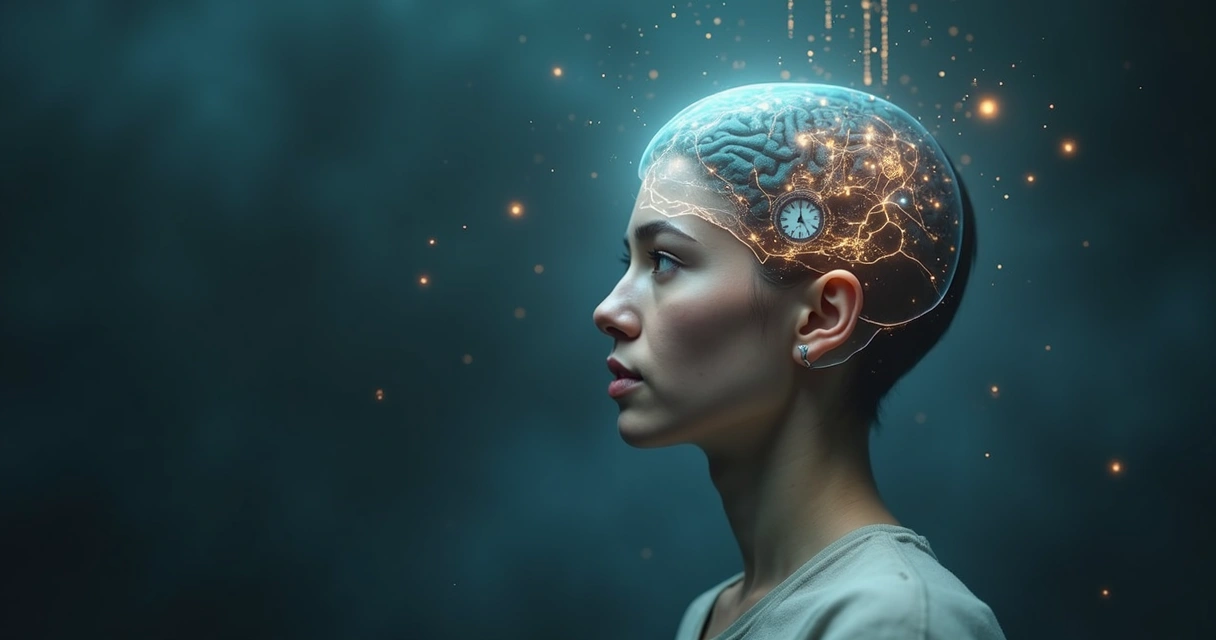
Have you ever wondered why some patterns seem to repeat in your life, no matter how conscious you are of your intentions? We often focus on what we think and do, but many forces shaping our days remain unseen. At the heart of these forces lie unconscious beliefs, quietly influencing how we see ourselves, others, and the world.
We live much of our lives guided by beliefs we do not even know we hold.
In our experience, recognizing the subtle ways unconscious beliefs show up is the first step toward real change. We cannot change what we do not notice. That is why we will take a careful look at what unconscious beliefs are, how they can shape the way we feel, think, and act, and ten clear signs that these hidden patterns are guiding your life.
Understanding unconscious beliefs
Unconscious beliefs are ideas, assumptions, or judgments stored beneath the surface of awareness. We are not aware that we have them, but they still affect our daily life. They are shaped by repeated experiences, memories, and conclusions we formed about ourselves or the world, sometimes as children and sometimes through repeated events.
Unconscious beliefs work in the background to shape our identity, sense of possibility, and reaction to situations. Even if we try to act differently, if these beliefs remain hidden, we tend to fall back into old patterns. For example, someone who grew up believing, without knowing, "I am not good enough," may sabotage their own opportunities. Another person may always expect rejection, even without clear evidence, because of a silent belief learned long ago.
Why noticing the signs matters
Some people go through life unaware that something invisible is steering their choices. In our view, knowledge of these unconscious drivers makes it possible to bring new energy and direction into our relationships, decisions, and hopes for the future. Uncovering them is not always pleasant, but it is freeing.
Spotting the signs means paying attention to repeated feelings, patterns, and reactions that seem to arise without a clear reason. What follows are ten signs that your life may be shaped by unconscious beliefs, along with brief examples and explanations of each. If you find yourself in some of these, you are not alone.

10 signs your unconscious beliefs are shaping your life
- You repeat the same patterns, even when you try to change. Are there areas in life where you keep returning to the same result, despite strong effort to break the cycle? For instance, do relationships always end the same way, or do career efforts stall at the same point? When patterns loop no matter what, unconscious beliefs may be involved.
- You react intensely to certain situations, beyond what seems reasonable. If you find your emotional response much bigger than the situation, it may be an old belief reacting, not your current thinking. For example, criticism from a friend might trigger deep shame or anger unrelated to the words themselves.
- You feel “stuck” in one area of life, with little explanation. Sometimes we feel blocked or unable to move forward, without a practical reason. This “stuckness” can signal a belief in limits, failure, or lack of worth that operates out of view.
- Your self-talk is negative, repetitive, or harsh. Pay attention to the background voice narrating your daily life. Does it say you do not deserve love, success, or health? Hidden beliefs shape these self-messages, making them feel like truth when they are not.
- You second-guess your decisions, even small ones. Overthinking and doubt can arise from beliefs that you cannot be trusted or that mistakes are dangerous. People with these patterns often delay choices, fearing a “wrong” move.
- You struggle with boundaries or always try to please others. If you tend to put other people’s needs first, even to your own harm, ask what you believe about your own value. Many with hidden beliefs about unworthiness live through pleasing or sacrificing, hoping for acceptance.
- You judge yourself or others quickly and harshly. Snap judgments about failure, intelligence, or goodness often reflect learned beliefs. For example, someone raised to value achievement may think “lazy” or “failure” whenever rest is needed, and treat themselves or others accordingly.
- You experience the same emotions in certain situations, even when you “know” better. If you keep feeling anxious at work presentations, shy in social settings, or sad at achievements, automatic feelings may be following a script written long ago.
- You feel out of touch with your own needs or desires. People shaped by beliefs that their needs do not matter may ignore their own hunger, rest, or emotions. This disconnection can become so automatic that basic self-care feels foreign.
- You feel powerful resistance or fear when you try to change or grow. Even small steps toward goals can meet inner pushback when an unconscious belief says change is unsafe or not for “someone like you.” This resistance often appears as procrastination, forgetfulness, or sudden fatigue right when you want change most.

How unconscious beliefs build over time
In our research, we have found that unconscious beliefs are almost always learned through experience rather than logic. They form quietly in childhood, through repeated moments, powerful emotions, and the way adults modeled life to us. Often, these beliefs began as ways to make sense of confusing or painful events.
Over years, beliefs get reinforced as we interpret new experiences through their lens, often missing evidence that could challenge them. A belief like "I am not creative" becomes a filter, so attempts to create are abandoned quickly or ignored altogether. We see this process as similar to invisible threads woven through memory and emotion, until it feels like reality rather than possibility.
Can unconscious beliefs be changed?
Yes, but not by willpower alone. In our opinion, awareness is the first and most significant step. When we begin to notice the patterns, stories, or emotions that arise repeatedly, we bring light to what was hidden. Inquiry, reflection, and sometimes guidance allow us to examine whether these beliefs are still true or ever really were.
From there, gentle and repeated new actions, thoughts, and experiences can slowly “teach” the mind and body a different lesson. It requires patience, curiosity, and often self-compassion. Growth is not always linear. Unlearning is as powerful as learning.
Conclusion
Unconscious beliefs shape more of our lives than we might realize. The signs may appear as repeated patterns, intense reactions, sense of being stuck, or even the quiet voice telling us what is (or is not) possible. By noticing these signs, we can shift toward a life built on intention instead of hidden scripts. With awareness and steady attention, change becomes not only possible, but natural. The journey is ongoing, but each step you take toward seeing your invisible beliefs is a step toward living with greater freedom and deep authenticity.
Frequently asked questions
What are unconscious beliefs?
Unconscious beliefs are ideas or assumptions that influence our feelings, thoughts, and actions but are stored outside our direct awareness. We often learn them early in life or through repeated experiences. They shape how we see ourselves and relate to the world, without us realizing it.
How do unconscious beliefs shape life?
Unconscious beliefs act like invisible rules in our lives. They affect our choices, relationships, and emotional reactions. If left unnoticed, they can make us repeat the same patterns or hold back from growth, even when we want to do things differently.
How can I identify unconscious beliefs?
You can identify unconscious beliefs by observing repeated patterns in your life, especially where you feel stuck or have intense emotional reactions. Listening to your inner self-talk, watching for quick judgments, and noticing where you feel resistance or fear can also help uncover them.
Can I change my unconscious beliefs?
Yes, but it usually takes time and self-reflection. Once you recognize an unconscious belief, you can start questioning it and choosing new actions or thoughts that challenge the old pattern. Small, repeated steps help the mind learn a new story. Patience and kindness to yourself are key.
What are signs of unconscious beliefs?
Signs include repeating the same unhelpful patterns, intense or automatic emotional reactions, negative self-talk, feeling stuck or blocked, and a strong urge to please others or avoid conflict. Quick judgment, self-doubt, and resistance to change are often clues that unconscious beliefs are active beneath the surface.