

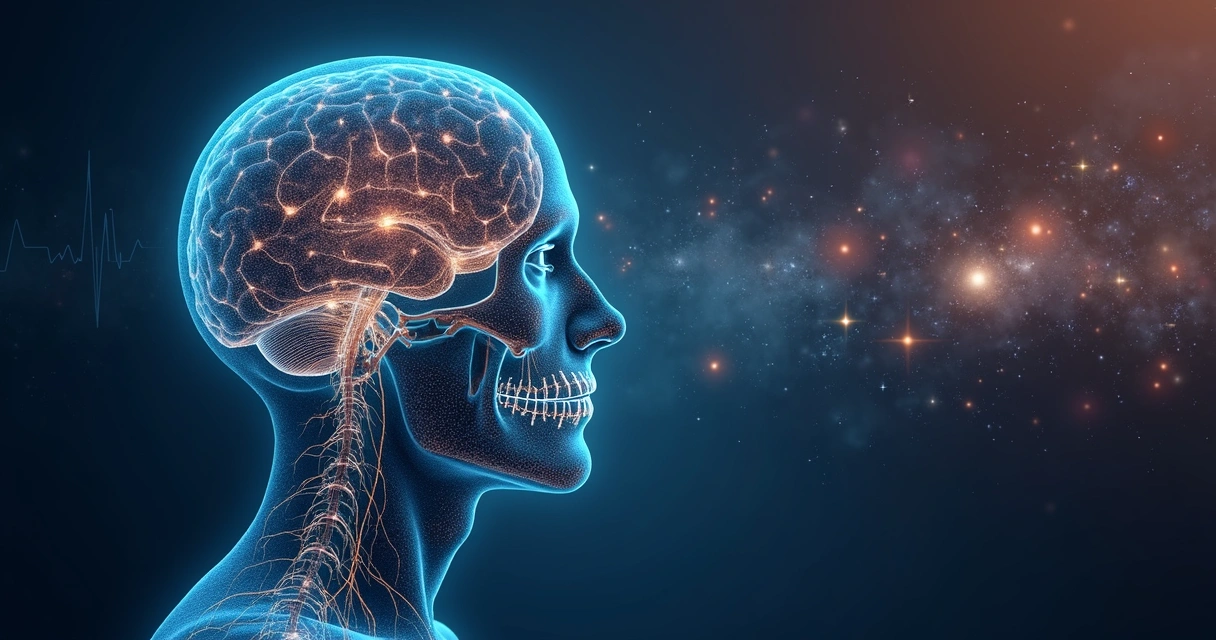
The idea of an integrative being connects many pieces of scientific thought and lived experience. In our research and observations, there is a growing belief that the mind cannot be separated from the body, and neither of them can be pulled away from emotion, social interaction, or purpose. Neuroscience has become a bridge, helping us see how all these elements meet in the real fabric of human experience.
The landscape of integrative being
If we imagine a person, are they just a collection of nerves and cells? We see the answer is no: human experience is a single, dynamic process where thoughts, feelings, sensations, and social bonds interact continuously. Integrative being refers to a person’s ability to harmonize these layers within themselves, instead of treating each as an isolated part.
Neuroscientific findings give this concept real depth. Let’s walk through some of the main principles we’ve observed:
- The brain works like a network, not as separated zones working in isolation.
- Emotion, cognition, and bodily states constantly inform each other.
- Consciousness is not a passive state, but an active weaving of information from different sources.
- Social connection shapes the very structure of our brains.
For many readers, the real question is: how do these discoveries affect our understanding of ourselves?
The brain as a unified network
In the past, it was common to picture parts of the brain doing separate jobs. Language, emotion, logic, and sensing seemed to happen in distinct “rooms” inside our heads. However, recent brain imaging research challenges this. We now see the brain creates experience by linking regions in vast, dynamic networks. These networks shift and adapt based on mood, focus, body state, or relationship.
When we try to think of ourselves as integrated, this network-era neuroscience is our map. Instead of fragments, we see processes in conversation. Thoughts and feelings do not merely exist side by side; they shape each other in each moment of experience.
Emotion, body, and mind: A single conversation
We used to draw sharp lines between thoughts and feelings—rational and irrational, head and heart. Much of the classic education separated intellect from emotion. But as neuroscientists have observed, such a split is artificial.
For example, research shows strong connections between areas like the prefrontal cortex (planning and reasoning) and brain centers for emotion like the amygdala. Bodily signals are mapped in regions such as the insula, which helps us both feel and think about our internal states.
All parts of ourselves speak to each other, all the time.
This blending matters in daily life, a small moment of kindness can spark a wave of calm through our body, and a tense argument can make our thoughts race and our muscles tighten. Our emotions guide actions, shape memories, and influence how we see the world.
Consciousness as integration
One of the most fascinating ideas from this area is that consciousness itself seems to be the act of integration. Each sensory input, memory, and social cue doesn’t float alone. Instead, they are woven together to create a coherent “self” that navigates the world.
This helps us understand why it sometimes feels so difficult to sort through inner conflict or blur between thought, feeling, and sense. The brain’s main task, in many ways, is to make a whole picture from parts that do not naturally fit together.
Social wiring and collective integration
Integration is not a private task. Neuroscientific findings show how our brains are “wired for connection”. We do not just process things alone, we process as part of groups. For example, the mirror neuron system helps us respond to and understand the actions and feelings of others.
Even simple acts like making eye contact or listening closely can trigger whole cascades of activity across many brain regions. Over time, the patterns of our closest relationships leave lasting marks in our neural structure.
We often notice that our sense of self, our mood, and even our physical health shift depending on the quality of our social world. This is not simply a poetic idea, but a pattern we see in studies across lifespan and cultures.
Integrative being and purpose
So far, we’ve looked at the brain, the body, emotion, and relationships. What about purpose? Here, research starts to meet philosophy. Our actions, when guided by a sense of meaning, engage the “default mode network” of the brain, the system supporting mind-wandering, self-reflection, and the building of personal narratives.
When we act with purpose, the brain finds more harmonious patterns of activation. Goals and values help us link daily actions with a larger arc. This sense of alignment affects well-being and makes us more resilient.
Purpose is the thread weaving our thoughts, feelings, and actions together. Without it, integration fades.

What does integrative being mean for growth?
Understanding the neuroscience of integrative being gives us fresh hope for real growth. It reminds us that we are never “just our thoughts”, never “just our bodies”, never “just our feelings”. Every day, our wellbeing is shaped by the honest meeting of all these parts.
This also means that interruptions in integration—when parts of our experience go unheard or are blocked—can lead to struggles with health or a sense of meaning. Restoration, then, is not about “fixing” one error but supporting a return to wholeness.
Simple steps towards daily integration
Learning to live as an integrative being is a lifelong process, but small daily actions matter. We suggest:
- Practice pausing to notice bodily signals, even just for a few breaths.
- Allow emotions to come and go, observing without judgment.
- Stay open to honest conversation in close relationships.
- Create routines that align with your personal sense of meaning.
You are not alone in this work. Each step towards integration—small or large—changes your brain, your mind, and your life. In our view, this is one of the most hopeful lessons neuroscience brings to the table.
Conclusion
In our research, we have seen that integrative being is not a myth or a vague ideal. It can be traced in brain activity, felt in the pulse of emotion, lived in connection, and seen in a life guided by meaning. The more we integrate these aspects, the richer, clearer, and more adaptive our responses to the world can become.
The science of integrative being offers not just insight, but real paths for personal and collective growth.
Frequently asked questions
What is integrative being in neuroscience?
Integrative being, in neuroscience, is the process where thoughts, feelings, bodily states, and social interactions are blended into a coherent whole. It describes how the brain and nervous system create a unified experience of self by linking different functions, rather than treating them as separate.
How does the brain support integrative being?
The brain supports integrative being through large-scale networks that connect emotion, reasoning, body sensations, and social awareness. These networks allow information to flow and combine across different brain regions, helping us act in ways that feel more balanced and connected.
What are the benefits of integrative being?
Some benefits include improved emotional stability, better decision-making, a deeper sense of connection with others, and increased resilience during stress. Integrative being helps with adapting to life’s changes and creates a stronger sense of purpose and meaning.
Can integrative being improve mental health?
Yes, research supports that when people experience more integration within themselves—emotionally, cognitively, and socially—they often have better mental health outcomes. It helps reduce anxiety, depression, and promotes a feeling of wellbeing.
How can I practice integrative being?
Integrative being can be practiced through self-awareness exercises, mindful observation of bodily sensations, open conversations with others, and regular reflection on what gives your life meaning. Simple routines, done daily, help grow your ability to link the parts of yourself into a more unified whole.