
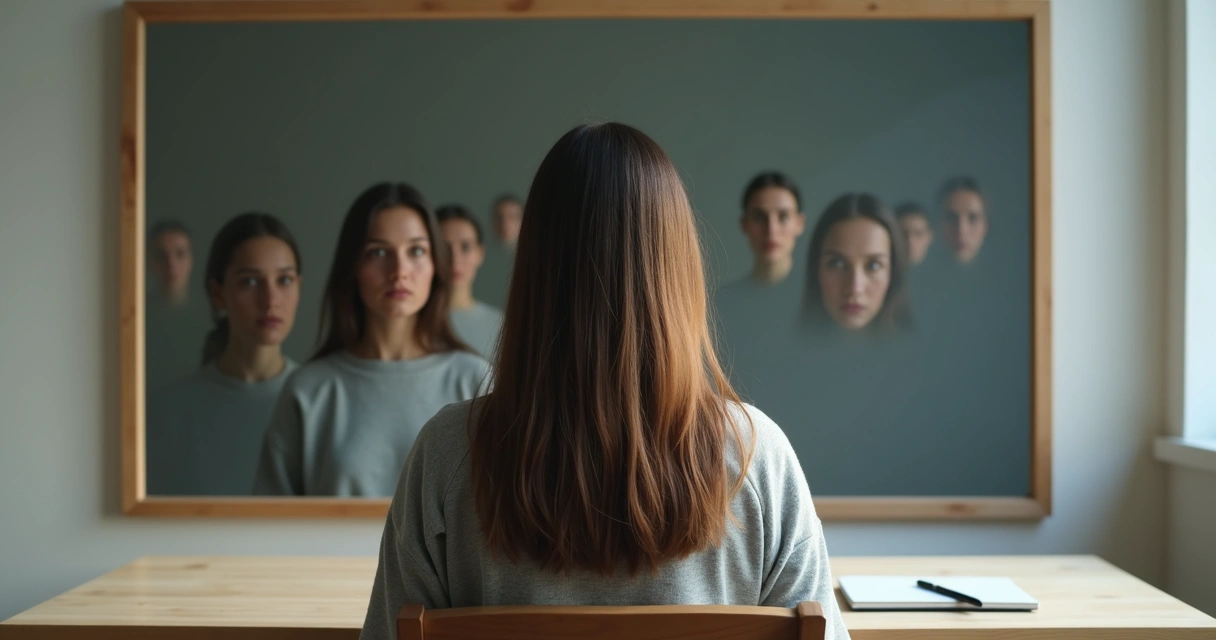
Bias lives quietly within our day-to-day thoughts, often shaping them without our notice. We all like to think we are objective. But experience, upbringing, and emotion color our thinking in subtle ways.
See with your own eyes, but listen with your whole mind.
Recognizing bias in our inner thoughts is not about blaming ourselves. Instead, we see it as an honest first step towards growth, clarity, and better understanding. We wrote this guide to help you spot these patterns in yourself, using simple explanations and real-life strategies.
What is bias in our inner thoughts?
When we speak of bias, we mean any automatic preference, belief, or attitude that affects our thinking—often without our conscious intent. Bias is not always negative, and not always obvious. Sometimes, it’s the quiet feeling that something "just feels right" or a belief we do not question.
Bias shows up in judgments about others, our memory of events, and even in the way we predict our own future. We have seen it in the way someone might assume a person’s intentions or misremember a conversation to fit with what they wanted to believe.
Bias is part of how our minds simplify complex information, but unchecked, it limits what we see and who we become.
Why does bias matter?
We are constantly making decisions, large and small. Some require a quick response. Others deserve careful thinking. But when bias is driving our decisions, we may miss chances, misunderstand others, or create conflict.
This matters in our relationships, in the workplace, and in the ways we see ourselves. Bias can push us away from new ideas, new people, and sometimes, from our best selves.
Step back before you step forward.
How can we recognize bias within ourselves?
Recognizing bias is not always simple, but we have found that the process always begins with awareness. We must become close observers of our own thoughts and feelings. Here are practical ways to begin:
- Notice emotional intensity: When we feel a strong reaction (frustration, excitement, anger), bias may be at work. Ask, “Why does this trigger me?”
- Identify “always” and “never” thoughts: Bias hides in absolutes like “I always mess up” or “They never listen.” Reality is often more flexible.
- Observe patterns in judgments: If we discover we judge the same type of situation or person in a recurring way, that’s a clue.
- Question the stories we tell: We create narratives about what happens to us. If the same explanations return again and again, pause to ask if they serve us or limit us.
- Check for confirmation seeking: Do we seek information that agrees with our views and ignore what challenges them?
Bias is best uncovered by curiosity, not criticism. Treat your thoughts as subjects to study, not enemies to defeat.
Types of cognitive bias
Our minds make shortcuts to help us function. These shortcuts, called “cognitive biases,” can limit perspective, especially when left unchecked. In our work, the following biases often appear:
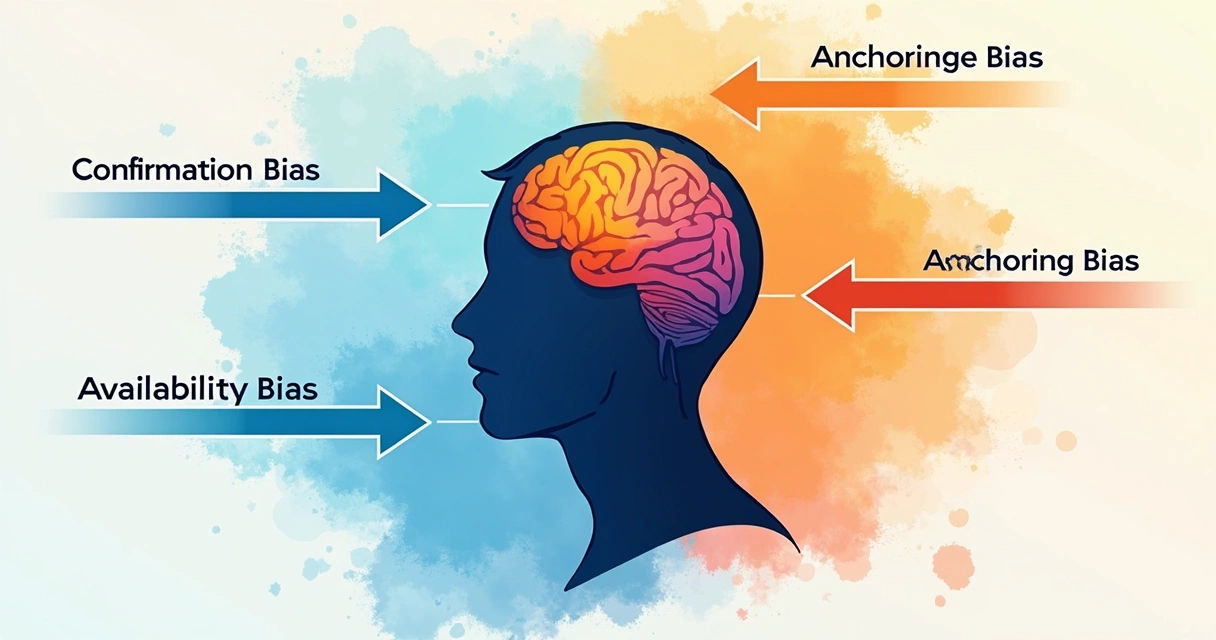
- Confirmation bias: We favor information that supports what we already think.
- Anchoring bias: The first piece of information we hear strongly affects our decisions.
- Availability bias: We judge events as more likely if they are easily remembered or dramatic.
- Groupthink: We favor group opinions over our own doubts, leading to one-sided decisions.
You’ve probably noticed one or more of these in your life. Recognizing when they appear is the first step to moving beyond them.
Tools for self-reflection
So, how do we begin to notice our bias in real time? We suggest simple daily pauses and reflective tools. Here are some we rely on:
- Journaling: Write about a tense moment. Ask, “Why did I react this way?” and “What else might be true?”
- Mindful check-ins: At least once a day, pause, take three deep breaths, and name the strongest emotion you are feeling. Does a belief or assumption follow that feeling?
- Ask for perspective: A trusted friend or colleague can offer a different view. If they see events differently, ask yourself why.
Questions shape clarity more than answers.
Common obstacles to recognizing bias
We’ve noticed that even when people want to spot bias in themselves, certain barriers get in the way:
- Defensiveness: It is natural to protect our sense of self. But this can hide bias from us.
- Rushing: Quick decisions and multi-tasking cut off self-awareness. Take time to reflect, even if it’s just a minute.
- Fear of being wrong: Sometimes, we fear what we might discover. But healthy self-doubt is a path to wisdom.
Building the habit of spotting bias requires honesty. The reward is a clearer, fairer mindset.
Bias and self-talk
We generally think of bias as something we express outwardly, but its deepest roots are often found in the way we talk to ourselves. Our internal monologue, or self-talk, is filled with assumptions—about what is possible, about who we are and who we are not.
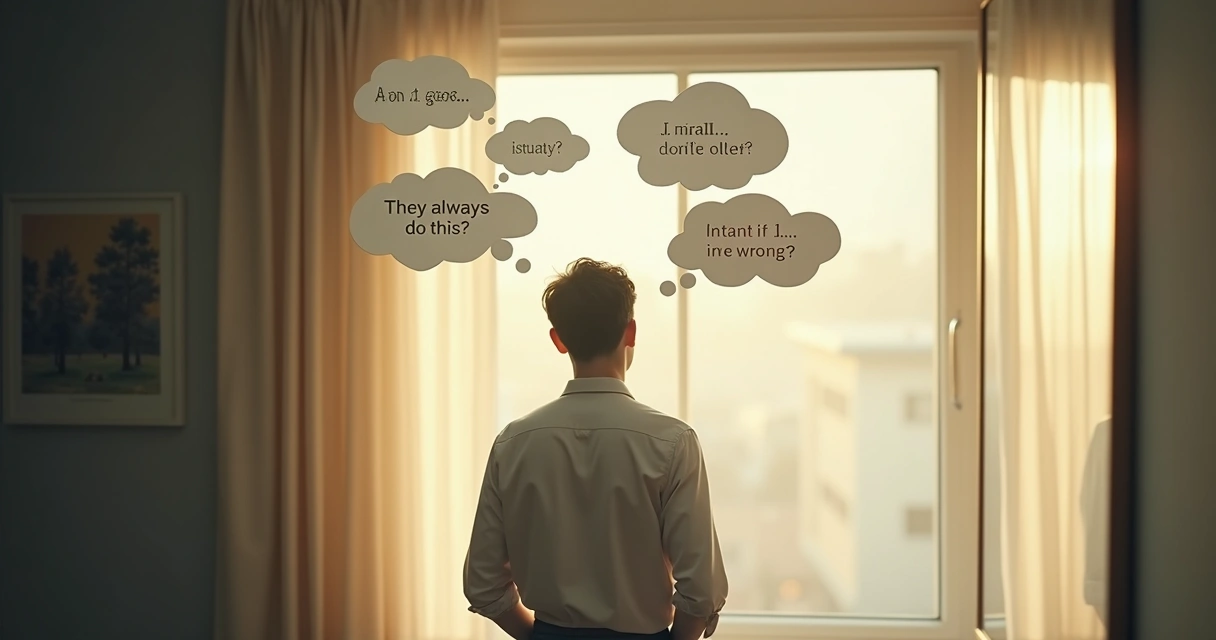
Examples of biased self-talk include:
- “I never do anything right.”
- “People like me can’t change.”
- “They must think I’m lazy.”
When we notice these patterns, it’s time to pause. We might not be able to silence them at first, but we can question if these thoughts are true or helpful.
Simple strategies to challenge bias
Once we spot bias, we are already changing the way we think. Now, we can take one or more steps to challenge these patterns:
- When you notice a biased thought, ask yourself: “What else could explain this?”
- Imagine how someone you respect sees the situation.
- Test your view: deliberately look up information or viewpoints that challenge your initial belief.
- If you spot a pattern in your thinking, write down three exceptions. For example, if you think, “I always fail,” write down three times you succeeded.
- Remind yourself that having bias does not mean you are “bad” or “wrong.” It means you are human, and you can choose your response.
Small changes in the way we question our thoughts will lead to clearer, more balanced thinking over time.
Conclusion
Bias quietly shapes the choices we make and the stories we tell ourselves. We all have it, and that’s perfectly normal. But as we learn to recognize it, our thoughts gain depth and flexibility.
By noticing emotion, pausing when we sense assumptions, and testing our inner stories against reality, we move closer to balance and understanding. It is not about removing all bias—no one can—but about learning to see it and choose how we move forward each day.
Frequently asked questions
What is bias in inner thoughts?
Bias in inner thoughts is when our ideas or beliefs are shaped by unexamined preferences, emotions, or assumptions rather than facts or balanced consideration. It often happens automatically and can affect how we see ourselves, others, or past events.
How can I recognize my own bias?
Start by noticing strong emotions or automatic judgments, especially when you are certain you are right. Look for patterns in your thoughts, such as “always” or “never” phrasing, and question if those beliefs are really accurate or just familiar.
Why is it important to spot bias?
Spotting bias helps us think more clearly and make fairer decisions. It can improve relationships, prevent misunderstandings, and make us more open to growth and learning.
What causes bias in our thinking?
Bias is shaped by experience, culture, family, emotion, and sometimes our need for certainty. Our minds use shortcuts to handle information quickly, but those shortcuts can become bias when not examined.
How do I reduce personal bias?
Practice self-reflection, ask for different perspectives, and seek information that challenges your views. Pausing before you act or speak, and writing down your thoughts, can help you spot and adjust bias over time.