


Each day, we face countless choices. Some appear simple, like deciding whether to answer an email now or later. Others feel more profound, such as choosing a career path, responding to a loved one, or standing for a principle in an uncertain world. If we step back, there is often a pattern weaving through our decisions—an underlying architecture not always visible: our value hierarchies.
Understanding value hierarchies
Value hierarchies are personal or shared rankings of what matters most to us, shaping our perception of what is preferable, meaningful, or worthy of our time and energy. We build them from experiences, cultural influences, moments of joy, pain, and deliberate self-reflection. Sometimes, these priorities are deeply conscious. Other times, they operate in the background, quietly guiding our steps.
Most choices do not arrive with labels. Still, we almost naturally give more weight to some possibilities than others. This happens because we evaluate our options based on our structured values, whether or not we realize it.
What we value most, we pursue first.
A teenager might rank friendship above academic success, changing how they spend evenings. A business leader, when compelled to choose between short-term profit and workforce well-being, reveals their hierarchy in that moment. These patterns are rarely static; they shift as our lives unfold and as we encounter new understandings.
How value hierarchies shape choice in the present
Decision making today is different from in the past. We live in a world filled with information, options, and demands, and every choice can feel amplified. In our experience, this abundance makes the clarity of our hierarchy even more necessary.
When we decide, we constantly filter possibilities through an internal order of preferences and beliefs. This mechanism is not only about choosing what we desire, but also about resisting temptations, balancing competing needs, and prioritizing one direction over another during uncertainty.
- Automatic filtering: Many everyday decisions happen quickly because our value hierarchy does the first sorting subconsciously.
- Conflict management: When options collide, the hierarchy guides us through the tension. Do we choose honesty or comfort? Ambition or rest?
- Stability and change: Some values hold steady through years; others adjust with our evolving understanding, new environments, or pivotal life events.

The building blocks of a value hierarchy
We have observed that several core elements tend to shape how value hierarchies emerge and function in daily life:
- Personal history: Our past experiences anchor specific priorities—what gave us joy or relief, what caused pain or longing.
- Cultural context: Norms and traditions mold our sense of the “right” order of values, often before we realize we hold them.
- Relationships: Close bonds influence which values rise or fall. Being part of a group, family, or partnership can re-order our personal list.
- Reflection and education: Actively questioning and learning allows for conscious updates in what we honor most.
Usually, the sum of these influences results in three practical layers within our hierarchy:
- Foundational values—what we believe must never be sacrificed
- Flexible values—desirable but negotiable, depending on situation
- Peripheral values—interests and preferences, easily set aside
Values, emotion and conscious action
The link between value hierarchies and emotion deserves special consideration. When values are threatened or fulfilled, we often feel strong emotional responses. These feelings can alert us to moments when our hierarchy is activated.
A decision aligned with our highest values often brings a sense of peace—one out of alignment, inner conflict.
Why is this connection so influential?
Because emotion provides immediate feedback about our alignment or disconnection from what we prioritize. For example, choosing to stay late at work for a project might bring satisfaction or guilt, depending on whether work or family is ranked higher.We find that people who are aware of their emotion-value link can make more deliberate decisions. They can pause, notice the feeling, and ask themselves which value is speaking the loudest. This process can clarify not only what to choose but also how to stand by that choice.
Contemporary challenges and value trade-offs
In our modern world, new challenges frequently arise that press us to re-evaluate our hierarchies. The digital era demands we choose how to use our attention. Social and environmental shifts require us to weigh personal gain against collective good. Many people are noticing that their inherited values do not always match the world’s pace.
Today, conscious decision making means not just knowing what we want, but understanding why we want it—and being willing to update our priorities when the world calls for new answers.
We have seen that those who take time to reflect on their hierarchy experience more clarity and less regret. They respond, rather than react. They own their decisions, even when difficult.
Shifting value hierarchies across life stages
Our interactions suggest that value hierarchies are not fixed. In youth, we may value novelty or acceptance. At midlife, stability or impact can rise. Late adulthood often brings a shift toward meaning or legacy.
We each contain the capacity to step out and consciously assess, edit, or reaffirm what stands at the top of our internal order.
- Reflection brings clarity to moments of conflict.
- Dialogue with trusted others can reveal blind spots or inherited priorities that no longer serve.
- Times of crisis often act as a catalyst for reevaluating what truly matters.
Conclusion
Our value hierarchies quietly shape every conscious decision we make. Today’s world presents more options and conflicts than ever before. We believe that knowing our hierarchy—understanding its sources, questioning its shape, and feeling the emotional pulses that reveal alignment or tension—allows for choices that reflect not just who we are but who we wish to become. Awareness is the first step to action. And with clarity comes the rare power to choose well, again and again.
Frequently asked questions
What is a value hierarchy?
A value hierarchy is a structured ranking of what we personally or collectively consider most important, organized from highest to lowest in terms of influence on our decisions. This structure shapes our preferences and guides what we prioritize in daily life.
How do value hierarchies impact choices?
Value hierarchies determine which options we consider first and which we set aside. They act as an internal filter, helping us quickly evaluate choices by comparing them to what matters most to us. This process happens with both big life decisions and everyday actions.
Why are value hierarchies important today?
Today, with so many competing choices and information sources, value hierarchies help us avoid overwhelm and stay true to what matters. They guide us through ethical questions, conflicting demands, and complex social expectations by keeping our actions connected to our deeper principles.
How can I identify my value hierarchy?
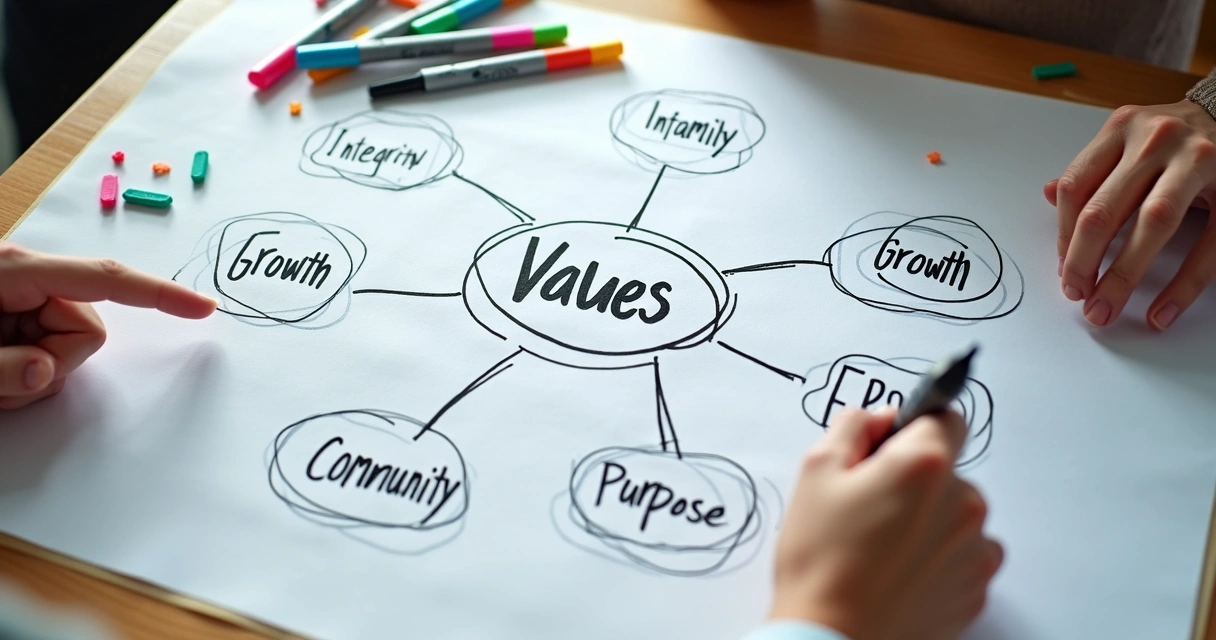
Start by reflecting on past decisions and strong emotional reactions—they often reveal top values. Ask yourself what you are willing to sacrifice, defend, or celebrate. Writing a list of your core principles and ranking them can bring insight. Talking with others can also help clarify hidden orders.
Can value hierarchies change over time?
Yes, value hierarchies often shift as we grow and adapt to new experiences, relationships, or environments. Major life events or periods of reflection can lead to significant changes in what we hold most dear. Recognizing these changes can help us make more authentic choices.