

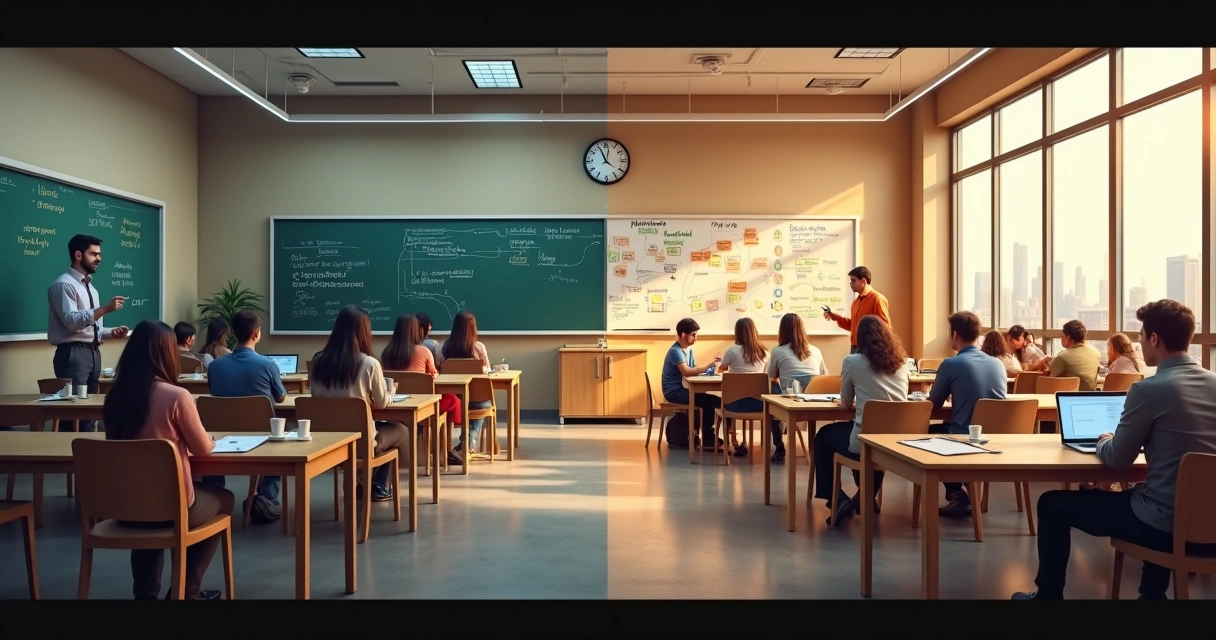
We have seen countless debates around what it truly means to learn and how best to nurture human growth. Sometimes, it seems simple. But when we look a little deeper, the differences between purpose-driven learning and traditional education raise big questions with real consequences. We will walk through these key differences and open the door to what they mean for each person’s journey.
What do we mean by traditional education?
When we talk about traditional education, we refer to structured systems developed over centuries: organized classrooms, fixed curriculums, standardized tests, age-based progression, and a focus on knowledge transmission. This approach has clear qualities. Its structure means every student gets access to the same core set of ideas and facts. It ensures consistency.
In our research, we have seen traditional education’s key features include:
- Standard curricula: All students are taught similar material based on age or grade.
- Emphasis on assessment: Success is measured by tests and exams.
- Teacher-centered methods: Teachers are seen as the main source of knowledge.
- Fixed schedules: Classes follow clear timetables and set routines.
There are strengths here: clear expectations, structure, and equality in access. For many of us, this was the framework of our formative years. But does it meet every learner’s deeper needs?
We remember facts, but do we remember purpose?
Defining purpose-driven learning
Purpose-driven learning is different. It starts with a simple question: What am I learning for? The idea is that learning fueled by meaning, personal interest, or a sense of mission changes the entire process. Content, methods, and goals all become shaped by each learner’s sense of purpose.
This approach doesn’t drop structure. Instead, it tries to link knowledge to real life, connection, and meaning. We have noticed in our experience that when people engage purpose-driven learning, they:
- Set personal learning goals linked to real-world interests or values
- Take responsibility for their own learning path
- Use projects, experiences, and challenges as sources of growth
- Reflect regularly on their progress and sense of direction
Pupils and mentors become partners. Motivation grows from within, not only from external rewards or pressures.

Key differences between purpose-driven learning and traditional education
The shift from traditional to purpose-driven learning is not only about changing what we learn, but how we approach the process, how we define success, and how we identify ourselves as learners.
1. Motivation source
In traditional education, motivation often relies on external rewards: grades, passing the year, meeting parents' or society’s expectations. In purpose-driven learning, the fuel is internal. Curiosity, meaning, or mission drive the learning journey.
Purpose lights the way.
2. Role of the educator
We see educators in traditional systems as authorities and transmitters of knowledge. They set the rules and check comprehension. In purpose-driven learning, mentors, coaches, or facilitators appear. The educator’s focus is on developing skills, empathy, and autonomy, not just delivering facts.
3. Learning structure and flexibility
Traditional education is linear. Everyone follows the same order, same subjects, same pace. Purpose-driven learning can be modular, personalized, and adaptive. Learners can choose topics, methods, and even timelines based on what fits their goals or passions.
4. Measurement of success
Standardized testing defines success in traditional education. It is quick to compare. In purpose-driven learning, success is more personal and reflective. Growth is seen in skill, confidence, agency, and alignment with values.
5. Value of mistakes
Traditional systems usually penalize mistakes. Tests are about getting things right. In purpose-driven learning, mistakes are seen as natural steps. Learners reflect, adjust, and keep moving forward.

Personal development and real-world impact
Another clear difference lies in how these two approaches support personal growth. In our experience, traditional education focuses on the development of basic academic knowledge and some general skills. But in purpose-driven learning, there is a strong link to emotional intelligence, resilience, creativity, and ethical thinking.
Purpose-driven settings often use real-life projects, community challenges, and teamwork as ways to build meaning. Learners get a chance to test values, face uncertainty, learn from others, and respond to feedback. This prepares them for work, yes, but also for community and life.
We are not just learning to pass exams.
We are becoming the people who will shape tomorrow’s world.
Challenges and balance
Of course, both approaches face challenges. Traditional education sometimes struggles with rigidness and lack of personal relevance. Purpose-driven learning needs careful guidance and reflection to avoid losing the value found in foundational knowledge. Not every learner is ready or able to take charge of their learning, especially in early years, and not every subject lends itself easily to open inquiry.
This is why, in our opinion, a blended approach can offer surprising results. Bringing purpose and structure together creates an opportunity for deep learning, stability, and personal meaning.
Conclusion
The key differences between purpose-driven learning and traditional education set up different outcomes for learners, not just in knowledge, but in thinking, feeling, and acting. We have witnessed that when purpose joins structure, education shifts from a process of memorization to a journey of discovery. Not only for the mind, but also for the soul. Success looks different for each learner, and the world they enter is transformed not just by what they know, but why they choose to know it.
Frequently asked questions
What is purpose-driven learning?
Purpose-driven learning is an approach where the learner’s internal goals, interests, and values shape the learning process. Rather than following a set path chosen by someone else, learners connect academic content and skills to something personally meaningful or impactful. The result is higher engagement and deeper understanding.
How does it differ from traditional education?
The main difference is the source of motivation and the focus on personalization. Traditional education uses universal standards, external motivation, and fixed content. Purpose-driven learning starts with the learner’s sense of purpose, allowing more choice, flexibility, and reflective practice throughout their journey.
Is purpose-driven learning more effective?
Whether purpose-driven learning is more effective depends on the context and goals. For retaining knowledge that matters, building lifelong learning skills, and growing self-awareness, we believe purpose-driven learning often leads to better long-term results. However, the structure of traditional education can provide stability and ensure a common base of knowledge.
How can I start purpose-driven learning?
Begin by asking, “What matters to me?” or “Why do I want to learn this?” Set personal goals and find resources or mentors that align with your interests. Regular reflection and adjusting your path are at the heart of purpose-driven learning. Allow real-world problems and personal values to guide your learning choices.
What are the benefits of each method?
Traditional education offers structure and equality of access, making sure everyone gets a baseline of key facts and skills. Purpose-driven learning adds meaning, connection, and motivation for deeper personal growth. Together, they can meet both personal interests and community needs.