


Across history, we witness changes in the way societies think, feel, and act toward what is right or wrong. These changes happen not as quick leaps, but as gradual shifts influenced by culture, technology, and a growing sense of community. In our view, understanding these patterns is essential to grasp how humanity matures as a whole, ethically and consciously.
How collective ethics forms and transforms
Our experience tells us that collective ethics is shaped by shared narratives, the spread of new knowledge, and the real outcomes of our decisions—both good and bad. It always remains a living process. Sometimes progress is slow. Sometimes, it seems to surge forward, like water rising behind a dam that eventually bursts.
Below, we present what we see as the most distinct, observable patterns in the evolution of collective ethics. Each has a history, a present, and a future.
The 10 most visible patterns in ethical evolution
1. Expansion of the ethical circle
One of the foundational patterns we observe is the gradual widening of who is considered worthy of moral concern.
- First, small tribes or groups.
- Then, larger nations, and eventually, humanity as a whole.
- Some movements now include other species and the entire planet.
This broadening brings both opportunity and tension, as old habits struggle with new ideals.
2. Shift from authority to reasoning
In the past, moral codes often stemmed from the authority of rulers, tradition, or religious leadership. Over time, we observe a pattern where ethical decisions require not only authority but also critical reasoning and evidence.
Blockquote time:
Reason demands a place at the ethical table.
This does not remove emotion or tradition, but adds a layer of rational discussion to moral questions.
3. Growth of individual accountability
We notice a significant trend toward valuing personal responsibility. Where once ethical actions were dictated by groups or external rules, more people now believe they should reflect on their own values and be answerable for their actions.
Individual accountability often creates fertile ground for positive collective change.The self becomes not only a product of the culture but also a potential catalyst for its improvement.
4. Tension between tradition and innovation
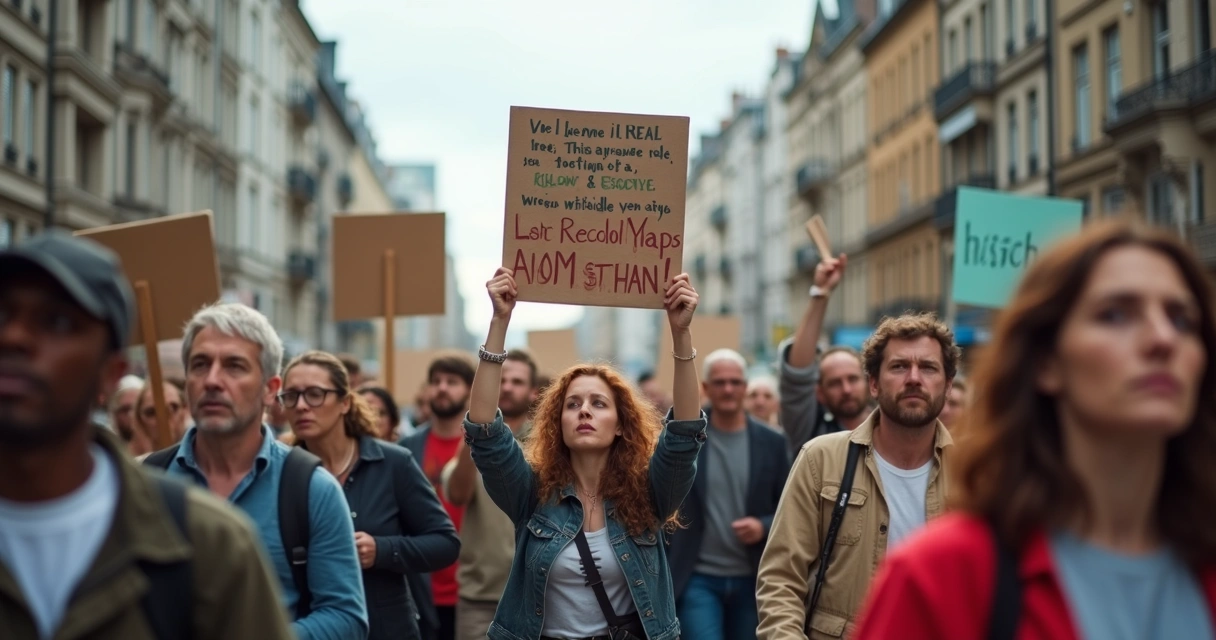
Ethical progress rarely occurs in a vacuum. We have found that it emerges amid debates between those seeking to preserve tradition and those pushing for change.
- Some defend longstanding customs.
- Others introduce new practices and ideas that challenge them.
The pattern is one of back-and-forth movement, with periods of conflict paving the way for new consensus or fresh synthesis.
5. Universalization of rights
Another striking shift is the growing belief in universal human rights. Today, more people everywhere hold that every person has inherent value and deserves basic freedoms. This development is visible:
- In public policies
- In education
- In global agreements
6. Sensitivity to suffering
We see increasing concern for reducing unnecessary suffering—not only for humans, but for animals and the environment as well.
Public awareness campaigns, new laws, and changing habits reflect this heightened empathy.
Empathy rewrites our shared rules.
The collective develops more nuanced responses to pain and injustice as understanding deepens.
7. Inclusion of marginalized voices
Over time, collective ethical reflection has increasingly included those who were once excluded or silenced.
- Women’s rights
- Ethnic and racial minorities
- People with disabilities
- Sexual and gender minorities
The current trend is to listen, learn, and adapt. We see this as a strong force for a fairer society.

8. Linking ethics to global impact
Many ethical considerations have shifted from local to global.
Issues like climate change, supply chains, internet freedoms, and migration have pushed us to see how our actions ripple across continents. We note the rise of collective responsibility for things that transcend borders.
9. Use of technology in ethical debate and practice
Technology changes the way we think about and act upon ethics. It:
- Helps spread information quickly
- Provides new forums for debate
- Presents novel ethical challenges
We also see greater public engagement because information is more accessible.
10. Pace of change and ethical lag
One final, crucial pattern: ethical norms usually shift more slowly than technological, economic, or political developments. This lag creates gaps where societies struggle to apply existing values to unforeseen scenarios.
Fast change leaves ethics searching for solid ground.
Our challenge is to bridge this gap with thoughtful conversation and intentional action.
Conclusion
These ten observable patterns show us that collective ethical evolution is both steady and unpredictable. Our shared values grow as we listen, think, and act together.
Each step reflects deeper questions about who we are, how we relate, and what kind of world we hope to create.
Recognizing these patterns helps us understand our own roles in shaping an ethical future.
Frequently asked questions
What is collective ethical evolution?
Collective ethical evolution refers to the gradual and observable changes in shared values, norms, and moral beliefs within a society or group over time. It describes how communities reconsider what is right or wrong as circumstances, knowledge, and cultural maturity progress.
What are common ethical evolution patterns?
There are several recurring patterns, including the expansion of moral concern to wider groups, the transition from authority-driven ethics to critical reasoning, increased attention to individual responsibility, recognition of universal rights, and inclusion of previously marginalized voices. These patterns often appear across different societies and historical moments.
How does society influence ethical change?
Society shapes ethical change through shared experiences, public debate, education, cultural stories, and the outcomes of collective decisions. As people encounter new problems or learn from the past, they adapt their views and influence each other within communities, organizations, and families.
Why do ethical patterns emerge collectively?
Ethical patterns emerge collectively because humans are social beings whose decisions and beliefs interact. People observe, imitate, and discuss each other's behavior, leading to feedback loops that drive new norms. Collective processes allow groups to adapt to changing realities while maintaining social cohesion.
How can I observe these patterns today?
You can observe these patterns by noticing changes in laws, public discussions, educational content, online conversations, and shifts in attitudes toward justice, inclusion, and global responsibility. Look for patterns in how communities talk about new social issues or respond to world events, and watch how ideas once considered unusual become accepted over time.