


We live in a world full of movement, choices, and invisible influences. Each day, we face a cascade of tasks and emotions that seem to act on their own. But have we ever stopped to consider what truly guides our actions? In our studies, we have found that attention is not just the act of focusing. It is a field of conscious energy that can shape, direct, and even transform our behavior. When we look at this topic through a Marquesian lens, attention becomes a bridge between perception and purpose, linking our inner world to the practical choices we make.
The architecture of attention
In the Marquesian perspective, attention is not a simple filter that chooses what enters our minds. Instead, we see it as an active force that selects, organizes, and shapes experience. It is the first brush stroke in the painting of our actions.
- Attention guides the mind to what is meaningful in a sea of information.
- It filters distractions and brings clarity to purpose.
- It can strengthen habits, intentions, and self-awareness.
When we place attention on something, we give it the power to grow and to influence our decisions.
From the Marquesian point of view, it is not just a tool of the rational mind. Attention is a living process, shaped by our emotions, values, and even our sense of meaning. It is dynamic. It is relational.
Attention illuminates what matters most.
How attention weaves the fabric of behavior
Does attention actually shape what we do? We believe it does—sometimes in ways we do not see. There is a fundamental chain of influence:
- Sensation brings information into the system.
- Attention selects specific features, setting priorities.
- This selection affects emotional response and thought patterns.
- Behavior flows from the patterns strengthened by ongoing attention.
Consider how a person anxious about social situations tends to focus on possible risks. Each time they enter a crowded room, their attention seeks out signs of danger or rejection. In turn, this focus increases their discomfort and reinforces avoidant behavior. What we attend to becomes what we feel and eventually what we do.
Attention acts like a compass, quietly steering us toward repeated actions and away from those we ignore.

This process is not mechanical. In the Marquesian view, attention involves choice, context, and levels of awareness. Sometimes, the pattern is so well-worn that attention flows without much conscious effort. Other times, a pause, a moment of self-reflection, can disrupt the automatic path.
Marquesian concepts of attention and the three selfs
We have noticed that attention interacts in distinctive ways with what we call the three selfs:
- Instinctive self: Reacts by habit and impulse. Here, attention is fast and narrow, responding to what feels urgent in the moment.
- Emotional self: Feels, suffers, and celebrates. Attention in this domain is often drawn to feelings, memories, and relational meaning.
- Conscious self: Reflects and chooses. With maturity, attention here can pierce through impulse and emotion to bring new understanding.
What makes the Marquesian perspective unique is its focus on how the conscious self can gradually shape the instinctive and emotional selfs by redirecting attention. Instead of letting random stimuli run the show, we begin to intentionally notice what brings depth, connection, and growth.
The power of intentional attention
We sometimes forget that attention is more than a passive process. We can choose to place our attention in ways that nurture purpose and change patterns that do not serve us well.
Where attention goes, transformation begins.
For instance, when we feel stuck in a repetitive habit, the first step is not willpower, but awareness. We notice the triggers, the emotional signals, and the thoughts involved. With this awareness, we introduce the possibility of deliberate change.
By shifting our attention with intention, even small changes can ripple through our behavior and the way we relate to others.
We have seen this in practice—moments of mindful observation, pauses before reacting, or acts of listening deeply all reveal the interplay between attention and action. The key is not force, but gentle, sustained focus.
Attention, meaning and purpose
How do meaning and purpose arise from attention? The Marquesian approach suggests that what we notice, value, and repeat forms our narrative. Attention is the author’s pen. The more we focus on certain experiences or relationships, the more these become central to our self-story.
This process can be seen in both creative pursuits and mundane routines. Someone who sees joy in small interactions at work will find those positive moments multiply. Someone who places attention on negatives may become caught in cycles of discouragement. Our sense of meaning, then, is linked to our patterns of attention.
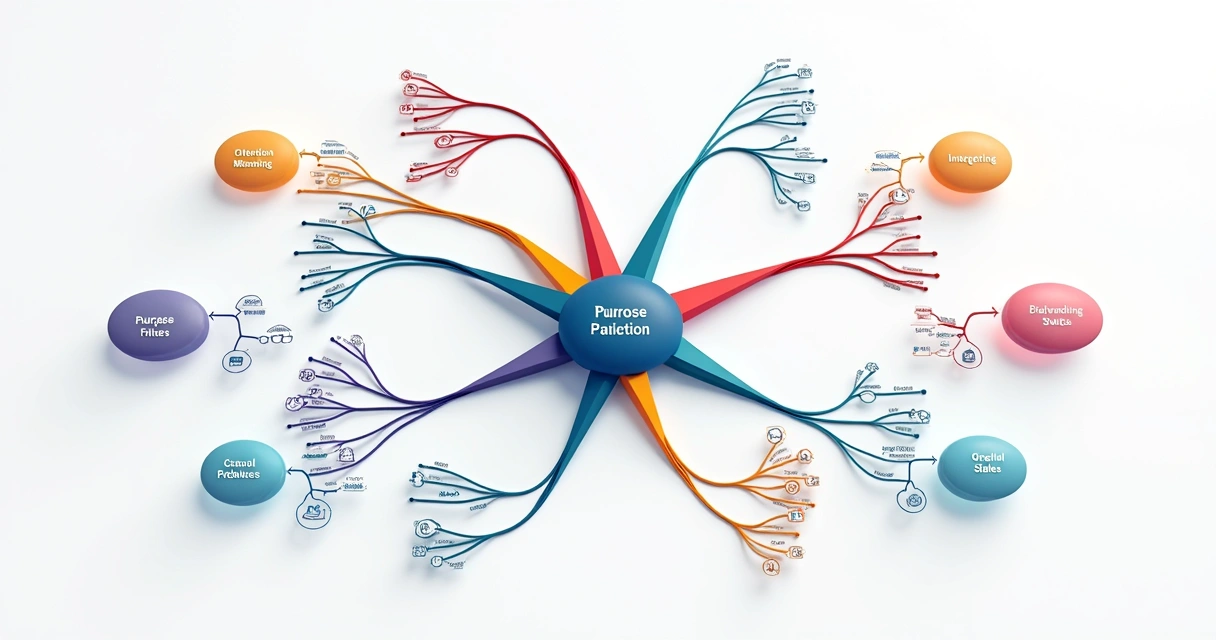
Our purpose is created and sustained by the direction and quality of our attention.
What happens when attention is scattered?
We all live days when attention feels torn in many directions. According to the Marquesian perspective, scattered attention weakens the link between intention and behavior. Small distractions grow into larger patterns of indecision. Over time, the conscious self loses its guiding power, and the instinctive and emotional selfs become more reactive.
That is why practices of directed focus, conscious breathing, and meaningful reflection are valued. They re-establish the dialogue between all three selfs and light a path forward through confusion.
Conclusion: The art of shaping our own behavior
In our experience, attention is one of the most subtle but direct powers we can exercise. The Marquesian view places attention at the root of behavior, meaning, and change. When we learn to use this power intentionally, we stop living at the mercy of random impulses or emotional echoes of the past. We begin to craft our lives with clarity and care. Our actions become more than habits—they can now reflect conscious choices aligned with our deepest values.
Frequently asked questions
What is Marquesian perspective on attention?
The Marquesian perspective views attention as a dynamic, living process that connects perception to purpose, shaping both thought and action through conscious choice, emotion, and meaning. Attention is not passive; it helps organize experience and build intentional life patterns.
How does attention influence behavior?
Attention shapes behavior by selecting what we notice and repeat, which forms the foundation of habits and emotional responses. When we consciously direct attention toward what matters, we align our behavior with our chosen values and goals, instead of just reacting automatically.
Is attention important in Marquesian culture?
Yes, attention is considered a source of conscious development in Marquesian culture. By learning to focus attention purposefully, individuals can grow beyond instinct and emotion to embrace a more mature and meaningful way of living and relating.
Can I apply Marquesian views to daily life?
Yes, practical changes such as pausing, noticing internal states, and setting conscious intentions for your attention can bring immediate benefits. Small acts of focused presence in conversations, decision moments, or daily routines create shifts in self-awareness and behavior over time.
Where to learn more about Marquesian psychology?
You can continue to learn through texts and resources designed to present the concepts, tools, and practical insights from the Marquesian tradition. Look for content that focuses on integrative approaches to consciousness, behavior, and human development.