

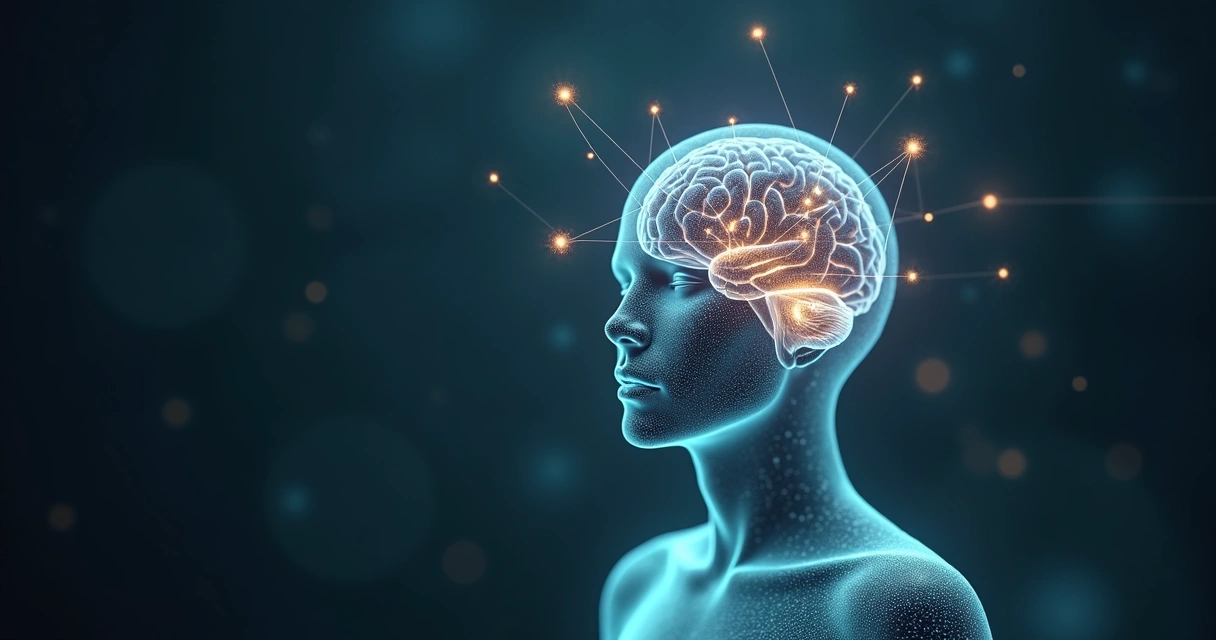
Understanding the complexity of human existence calls for a new approach. Instead of viewing emotion, consciousness, behavior, and purpose as separate, we see them as an integrated system that shapes every aspect of what it means to be human. Over years of research and practice, we have identified seven core concepts that open new perspectives on human development. By breaking them down, we help individuals and thinkers find clarity on their own conscious journey. Let’s look at each core idea, piece by piece.
Systemic integration: seeing the whole
At the foundation is the idea that no part of the human experience stands alone. Mind, emotion, body, and purpose form a network, where even a small change in one area echoes throughout the rest. We often find ourselves compartmentalizing—treating feelings as private and thoughts as public, or thinking of work and values as unrelated. Yet life is more connected than that.
Everything affects everything else.
Scientific studies support this. Stanford Medicine researchers found that neural patterns linked to negative emotions are persistent and impact various aspects of functioning (Stanford Medicine). This kind of research reinforces what we observe: our emotions shape our thoughts and actions, which in turn influence our sense of meaning and purpose.
The three levels of self: experience, reflection, construction
We have seen that people operate on three main levels of self (or selfs), each with its own function:
- Experiencing self: Feels and senses the world as it is happening. This self is immediate, present, and sometimes wordless.
- Reflective self: Observes what happens, labels experiences (“I am sad,” “That was a good choice”) and draws connections.
- Constructing self: Builds narratives and projects future paths. This self sets goals and evaluates what should happen next.
Instead of seeing these as fixed or competing, we treat them as a movable triangle. Sometimes one leads, sometimes another. Greater self-understanding comes from recognizing which self is in charge at any moment and why.
Emotion as information, not just feeling
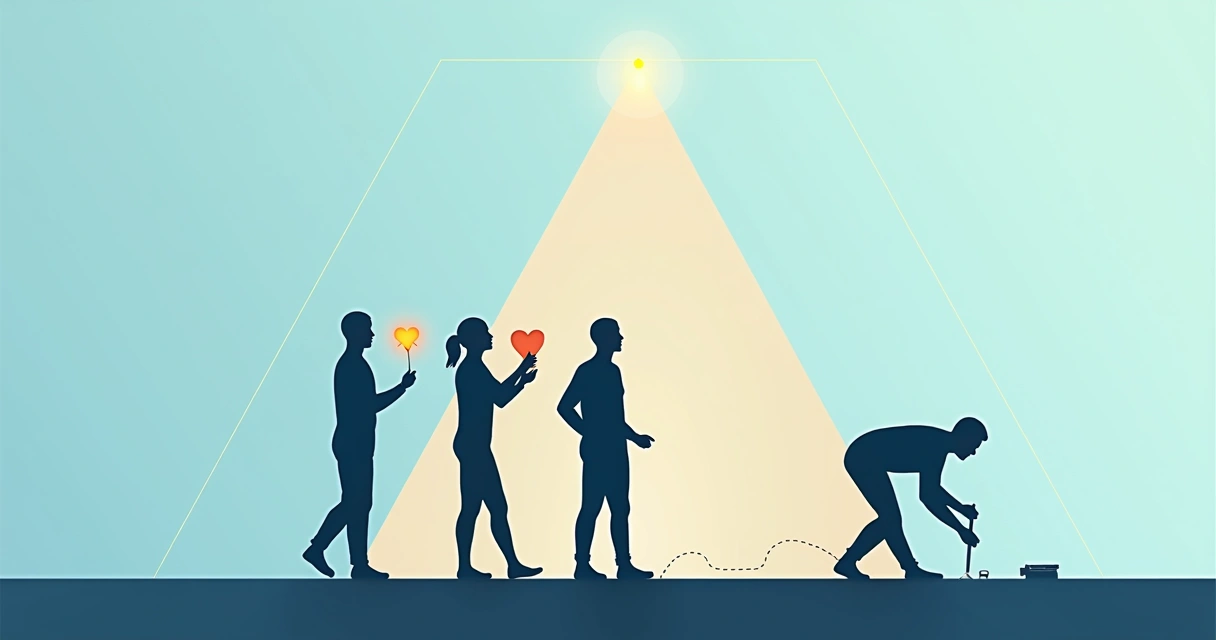
Traditionally, emotions are seen as distractions from logical thinking. We do not agree. Emotions are information—signals about our needs, relationships, and worldview. Instead of suppressing or ignoring these feelings, we can listen to what they are telling us.
This view aligns with the latest reviews in Behavioral and Brain Sciences, suggesting that emotional states are both biological and constructed by context. Recognizing emotion as useful data lets us respond rather than react.
Consciousness as both level and content
What does it mean to be conscious? Is it simply being awake—or is it being able to think about what we do and why? Neuroscientific research offers a helpful model: consciousness operates at different levels (from sleep to full alertness) and with different content (what we are aware of at any moment), as described in scholarly work on the dual dimension of consciousness (see PubMed article).
We believe that both dimensions matter. Someone may appear alert but is lost in emotion, or very present but unable to act. We work to help people increase not just their “level” but also their conscious “content”—to expand what they can sense, understand, and act upon.
Values as the architecture of meaning
If purpose is the direction, values are the structure supporting it. We often describe “having values” as if it is a box to check. In our observation, values form an architecture. They support decisions, shape responses, and help a person handle pressure or contradiction without losing their inner ground.
We ask: When faced with a difficult choice, which value stands behind your first impulse? Is that the value you want to lead with? When people see their values at work, even subtle decisions become more meaningful.
Behavior as feedback, not just action
Behavior is more than what we do. It reflects back to us how our system of self, emotion, and purpose is functioning. When we notice ourselves repeating harmful patterns, it is not just about “fixing” the action, but about asking what our whole system is trying to accomplish.
Behavior is a message from within.
Recent large-scale analyses of emotion in social networks show that emotions and behaviors move through groups, not just individuals. This supports our view that feedback is both a personal and a collective process. When we pay close attention to our actions, we can make gentle, lasting change.
Maturity of consciousness: aligned integration
The development of consciousness is not a straight line. It is a process of aligning all the system’s pieces: self, body, feeling, thought, and values. Maturity is not perfection. Instead, it is an ongoing openness to adjust, to reflect, and to live with more awareness each day.
We focus less on reaching a “final” state and more on how flexible, resilient, and present you can become. Maturity shows itself in how well a person faces new conditions, unites conflicting impulses, and still finds a way forward.
Multidimensional knowledge: respecting diverse sources
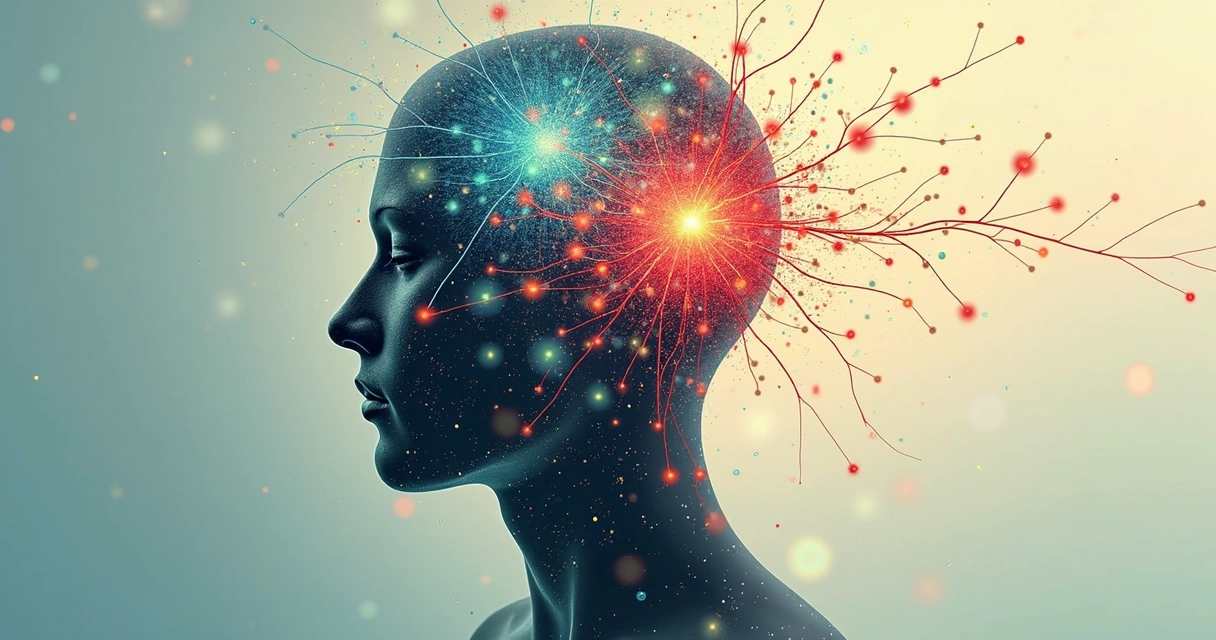
Our view accepts that no single source fully explains the human experience. We insist on integrating knowledge from science, philosophy, daily life, culture, and inner experience. The goal is not to create a jumble, but a network where each piece supports the others, as long as they align with conscious maturity.
This multidimensional model respects the differences between types of knowledge—foundational, academic, experiential, and practical—and maintains their hierarchy. The result is a richer, more complete approach to human development.
Conclusion
As we bring these core concepts together, a clear picture forms. Human consciousness is not a puzzle to solve but a system to live with awareness and intention. By seeing the whole, understanding the three selfs, treating emotion as information, and valuing integration, we can each grow in our own direction. When we work in this way, depth and resilience become possible—not as distant ideals, but as lived experiences.
Frequently asked questions
What is Marquesian consciousness?
Marquesian consciousness is an approach that recognizes the human mind as a complex, interconnected system. It brings together scientific and philosophical insights to help people understand their thoughts, emotions, behaviors, and sense of purpose as an integrated whole.
What are the seven core concepts?
The seven core concepts are:
- Systemic integration
- The three levels of self (experience, reflection, construction)
- Emotion as information
- Consciousness as both level and content
- Values as the architecture of meaning
- Behavior as feedback
- Maturity of consciousness through aligned integration and respect for multidimensional knowledge
How can I apply these concepts daily?
You can start by noticing connections between your feelings, thoughts, actions, and values throughout your day. Take time to listen to emotions as signals, observe which “self” is most active, reflect on your behavior, and make small adjustments. Regular self-reflection and openness to different perspectives will help you put these concepts into practice.
Why are these concepts important?
These concepts help you understand yourself and others with greater depth. By seeing how different aspects of human experience influence one another, you can build clarity, resilience, and a stronger sense of purpose. This approach promotes better decisions and more meaningful relationships.
Where did Marquesian consciousness originate?
Marquesian consciousness developed from the integration of scientific research, philosophical frameworks, practical experience, and critical analysis of human impact. It is a contemporary school of thought based on observing and systematizing the ways people grow in awareness, action, and purpose.